| Вася и роботы От Jinger Beer |
| Луна Лавгуд и тайны Хогвартса От Jinger Beer |

|
13 лет на сайте
26 октября 2025 |

|
Привел 250 друзей
8 июля 2025 |

|
12 лет на сайте
26 октября 2024 |

|
11 лет на сайте
26 октября 2023 |

|
10 лет на сайте
26 октября 2022 |

Marlagram
14 сентября в 18:00
 К вопросу о истории компьютерного пиратства.
How the Very First C64 Freezer Worked: The Story & Tech of ISEPIC на канале MonroeWorld (англ., 36 минут) 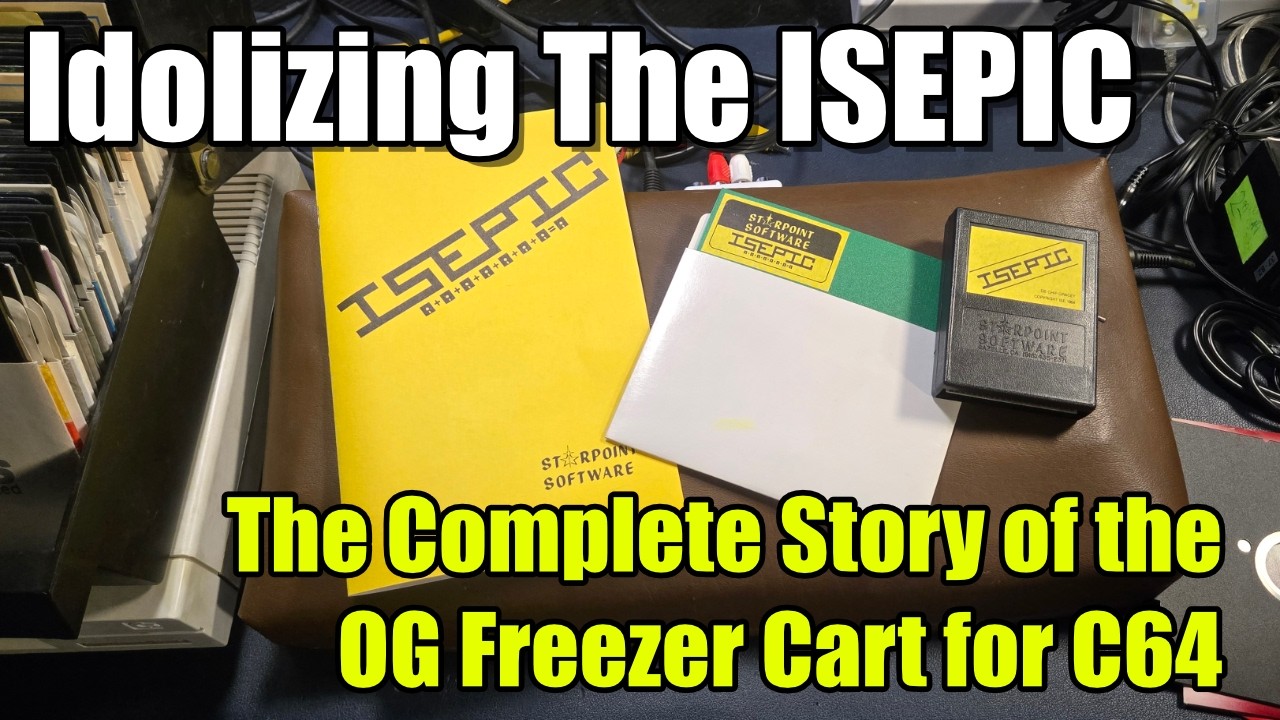 Before Action Replay, before Super Snapshot, and before The Final Cartridge, there was ISEPIC. In this video, Shane takes a deep dive into the history, the hardware, and the quirks of the original ISEPIC. A full demo of the product is included. Chapters 00:00 – Introduction & The OG C64 Freezer 00:29 – History of Chip Gracey & The Genesis of ISEPIC 02:34 – Starpoint Software, 1985 Magazine Ads & Origin Story Показать полностью
1 |
|
Marlagram
11 сентября в 04:05
//немного технопорно
LSI 4GE7MCM Geometry Engine (and other chips) under the microscope на канале EvilmonkeyzDesignz (англ., 11 минут) 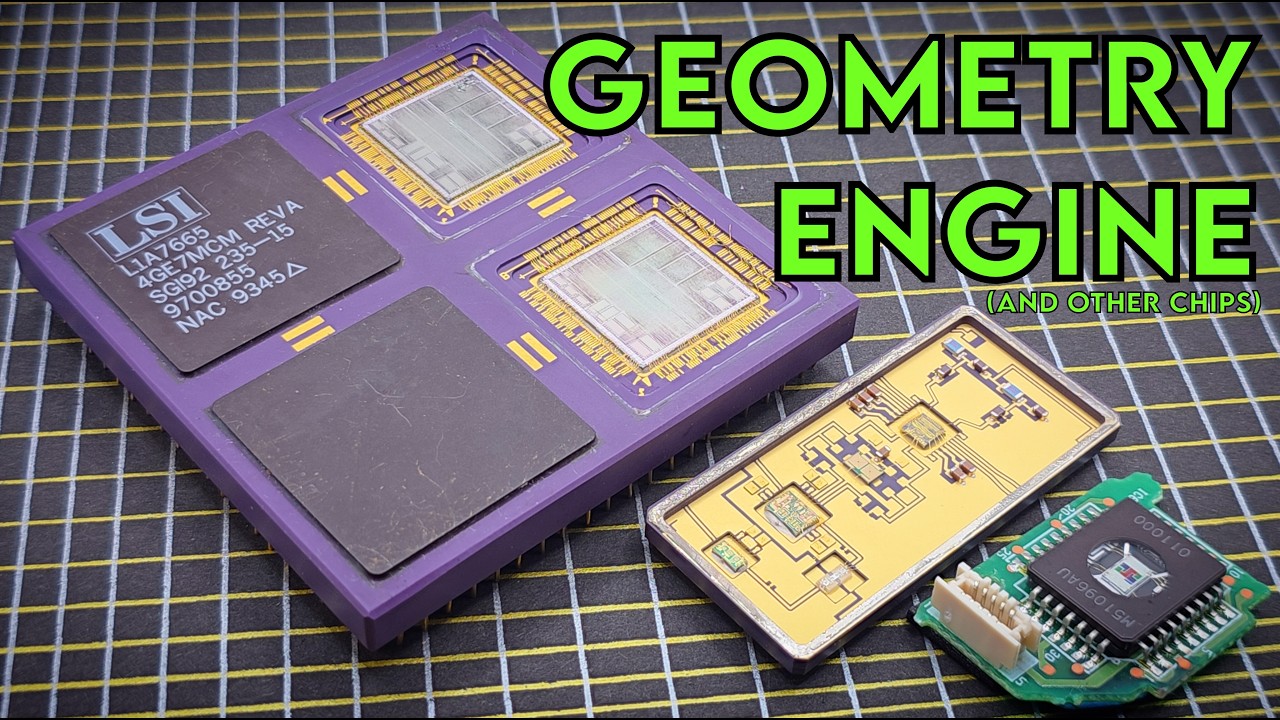 In this video, I’ll take a closer look at some interesting pieces sent over from BJenkins192, who previously sent over the PIC modules. These include a Quad Geometry Engine, RGB color sensor, and an unknown module from Nortel. Timestamps: 0:26 - Geometry Engine info ( SGI Indigo 2 ) 2:01 - Opening the 4GE7MCM 2:54 - Cleaning the Geometry Engine Показать полностью
Показать 2 комментария |
|
Marlagram
9 августа в 04:33
Ностальгическое о советском домашнем компьютере стандарта IBM PC.
Советский компьютер Ассистент 86/128 №1.1 на канале Алексей Морозов @Alemorf (рус., 29 минут) 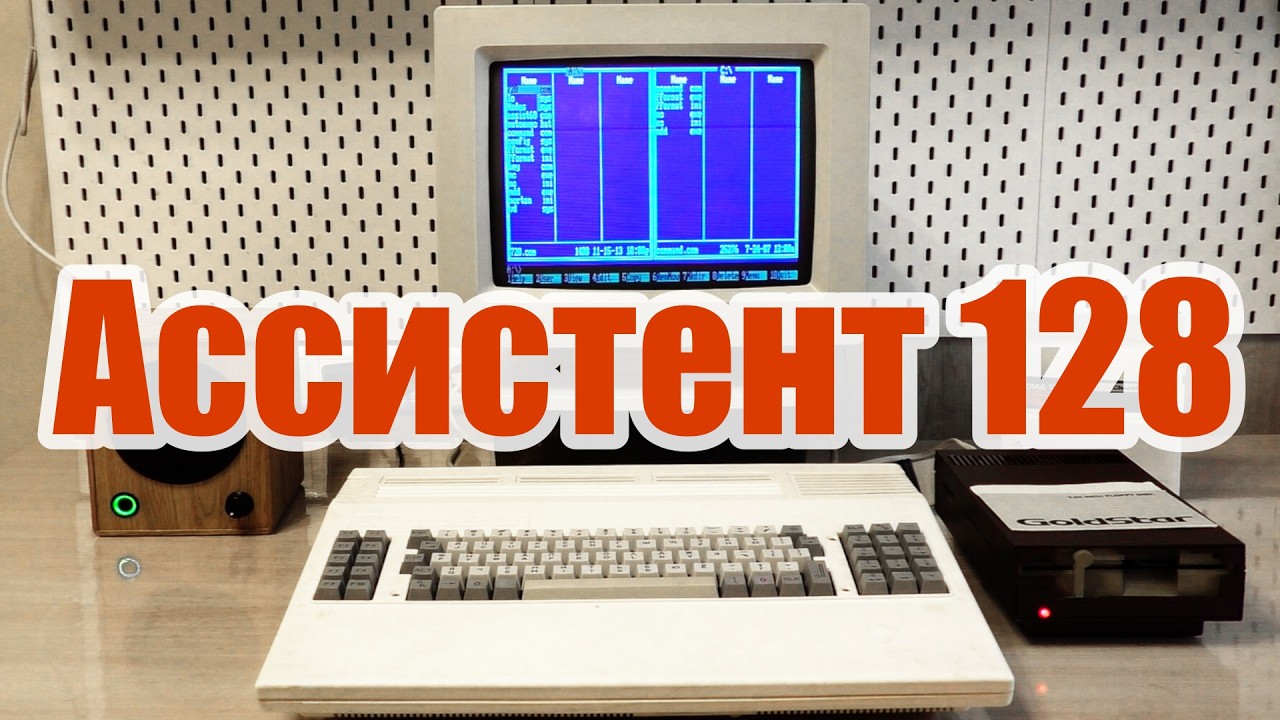 IBM PC-совместимый компьютер 1988 года Лично у меня во владении такой машины не было, но по случаю трогал. Обратите внимание на большое по меркам домашних компьютеров такого форм-фактора количество печатных плат в конструкции. И на в общем ужасную (хотя и не самую ужасную по советским меркам конечно, в этой области у нас бездны ужаса) конструкцию механики клавиатуры.Процессор: КР1810ВМ86 4.7 МГц (аналог Intel 8086) ОЗУ: 1 МБ Видео: CGA без NTSC Дисковод: 720 КБ Оговорки: Только Digger родная игра на IBM PC. Alley Cat, Prince Persia, Zeliard это порты с других платформ. Копия на Рутуб #youtube #видео #ретрокомпьютеры 1 |
|
Marlagram
20 июня в 23:15
Заметки на полях ненаписанной аишки (в США).
NASA купит любой адекватный компьютер в 1961-1966 годах. У них тогда реально много денег - по тем временам - и фактически сразу несколько компаний поднялись чисто на их заказах. Но! Это 30-40 миникомпьютеров, 3-5 мейнфреймов+суперкомпьютеров, сколько-то БЦВМ в год. Печать для консоли это боль. Фактически, на 1960 год или телетайп, или Friden Flexowriter. С 1962-63 - IBM Selectric. Если изобретать самому, то прямо беда. Потому что нормальные транзисторы, способные коммутировать токи для соленоидов за нормальные деньги - это с 1964 года. Да, формально первые серийные кремниевые эпитаксальные транзисторы это середина 1961 года, но они тогда ещё предельно дорогие (за четыре года цена упала чуть ли не в 100 раз, если смотреть на уже только массовые серии - в 10-12 раз, первые образцы с учётом отбраковки стоили по конски) и недостаточно мощные. Нормальных шаговых двигателей просто ещё нет. Нормальных в нашем понимании не будет аж до 1984 года, потому что неодимовые магниты штука довольно поздняя. Минимально пригодные появятся в 1968, но чтобы ими нормально управлять нужны довольно сложные аналоговые силовые драйверы - а это 1970. Даже герконы в 1960 году хоть и серийные, но ещё непропорционально дорогие - только к 1962 будут полноценно запущены роторные автоматические линии по их производству. И кстати, материала для достаточно долговечных игл для игольчатой печатающей головки (dot matrix printer) в 1960-м ещё не подобрали. Это японское достижение конца 1960-х, и далеко не такое простое как кажется - вольфрамовый сплав с специфической термообработкой, причём в комплекте с технологией вытяжки, шлифовки и собственно стабильной термообработки тонкой проволоки. #ретрокомпьютеры Свернуть сообщение - Показать полностью
1 Показать 1 комментарий |
|
Marlagram
26 мая в 16:20
Одна из умеренно извращённых идей, бродившая у меня на тему советских компьютерных реалий начала 1980-х - это создание оригинального клона Zilog z80, который архитектурно внутри и с точки зрения организации циклов доступа в ОЗУ совсем другой, ближе к mos 6502 (то самое двухфазное тактирование). Т. е. никакой Cycle-Exact Compatibility и соответственно фокусов в играх и демках на Спекки - но зато элементарный интерливинг доступа видеотракта к памяти. Система команд, регистры, всё остальное - включая "недокументированные" команды - совместимо. Cp/m запускается, Turbo Pascal работает. Но тайминги команд и циклы доступа в ОЗУ совсем другие.
Для пущего извращения можно даже в рамках сильно извращённой 588 серии (привет Немиге ПК 588) (ну и истории Агатов), с отдельным чипом АЛУ, управляйкой, микрокодом и контроллером шины... #ретрокомпьютеры 1 |
|
Marlagram
3 мая в 23:13
Трекеры и чиптюн на AdLib
Довольно хорошая статья на тему. С введением, обзором железа (Yamaha YM3812, Yamaha OPL3 и так далее по оригинальным чипам FM синтеза, тема эмуляции в поздних клонах SB не затрагивается), обзором трекеров.  #музыка #ретрокомпьютеры #хабр 1 |
|
Marlagram
18 апреля в 18:42
//Хабрачтиво
Как работает движок микрокода процессора 8086 - перевод статьи Ken Shirriff К вопросу о том, что там внутри. ... Вкратце, микрокод в 8086 состоит из 512 микроинструкций, каждая шириной 21 бит. Движок микрокода использует 13-битный регистр для последовательного перебора микроинструкций, а также отдельный 13-битный регистр подпрограмм для хранения адреса возврата при вызовах микрокодовых подпрограмм. Дополнительно используются два вспомогательных ПЗУ: «Group Decode ROM» — для классификации машинных инструкций, и «Translation ROM» — для переходов к подпрограммам микрокода, например при вычислении адресов. Физически микрокод хранится в виде массива размером 128×84. Для оптимизации хранения применяется специальный декодер адреса.  Показать полностью
 1 11 Показать 1 комментарий |
|
Marlagram
5 апреля в 15:11
От ламп до микросхем: советское производство плат и компьютеров в Казани, которое мы потеряли
... Казанский завод ЭВМ был одним из крупнейших во всем Союзе и мог тягаться только с Минским заводом им. Орджоникидзе. Здесь, на Сибирском тракте, собрано 40% всех электронных вычислительных машин СССР, которые использовались в атомной промышленности, оборонке, космической программе, экспортировались в другие страны, на которых работали Академии наук всех союзных республик. ... Да и сами масштабы завода впечатляли: промышленные площади превышали 100 тыс. «квадратов» ... за 40 лет завод ЭВМ произвел чуть более 7,5 тыс. машин ... Первая ЭВМ на Казанском заводе математических машин была произведена в 1960 году. Это модель М-20, разработанная специалистами Института точной механики и вычислительной техники и СКБ-245 под руководством главного конструктора Сергея Лебедева. Собственно рождение завода связано с организацией производства этой серии машин. Они были невероятно громоздкими — один компьютер занимал зал площадью 100 кв. м, а в высоту их шкафы достигали 3 метров. Именно поэтому первые этажи здания завода на Сибирском тракте такие высокие ... Машина производила 18 тыс. операций в секунду. Ее производство продлилось пять лет, было выпущено 63 комплекта ЭВМ. ... «В ячейках применялись электронные лампы 6Ж2П, которые часто выходили из строя, приходилось производить их отбраковку. Процент отхода был велик», — отмечается в книге «Казанский завод ЭВМ (КЗММ, КЗЭВМ, КПО ВС)», написанной Маргаритой Бадрутдиновой ... в 1961-м разработчики нашли более надежные лампы, была внедрена поточная сборка ячеек М-20, которая могла выпускать в месяц 2,5 комплекта. ... В январе 1961-го на заводе появляется отдельный участок изготовления печатных плат на базе гальванического цеха №11. Через четыре года он перерастет в самостоятельный цех печатных плат №12. Пока это лишь комната в 25 кв. метров. «Деревянные рамки с ручной натяжкой, кюветы травления по одной штуке, экспонировочная рама, где прижимом служили болванки и огромный энтузиазм делать необыкновенные платы — сердце электронных машин», — описывается то время в памятном альбоме цеха. Но ручной труд будет использоваться еще долго. Операции на участке были тяжелыми и вредными. При этом изготовлением плат на казанском заводе занимаются практически одни женщины. «Ветераны цеха, очевидно, помнят, как мы начинали в 1964 году. Тогда не было ни травильных машин, ни автоматических линий, ни валковых машин на заливке эмульсий. Все делалось вручную, — говорится в воспоминаниях А. Авилкиной. — Вручную заливали платы эмульсией, разравнивая слой на центрифуге, вручную травили платы, наливая горячий раствор персульфата аммония в кювету и покачивая платы руками. Если в персульфате аммония травление происходило быстро, то в растворе хлористого железа плату приходилось покачивать в течение часа». В течение года молодому коллективу технологов необходимо было изучить три метода изготовления плат: электрохимический, комбинированный позитивный и сеткографический. Специалисты уезжали перенимать опыт в Пензу и Москву. Все три технологии были освоены, чего не было ни на одном заводе, выпускающем платы, вспоминает старший технолог цеха Н. Рогожина. В 1964 году было ясно, что эра машин первого поколения в СССР закончилась. ЭВМ М-20 сменила машина второго поколения — ЭВМ М-220. По своей структуре и системе команд она была аналогична предшествующей модели, но ее производительность уже составляла 27 тыс. операций в секунду. Главное — вместо ламп в М-220 уже использовались полупроводники. Элементная база была построена на феррит-транзисторных ячейках, которая собиралась уже печатным монтажом. ... В это же время казанский завод осваивает выпуск ЭВМ «Урал-11Б», разработанной в Пензенском институте под руководством главного конструктора Башира Рамеева, в честь которого в Казани назван новый IT-парк. Первые печатные платы на заводе будут изготавливать как раз для этой машины. Правда за 1965 год заводом так и не было выпущено ни одного «Урала» (всего за время своего существования завод выпустил 8 таких машин). Зато был налажен выпуск ЭВМ «Наири», созданной в Ереване. ... Но к 1965 году на заводе работали свой цех печатных плат, цех по переработке пластмасс, цех по сборке и монтажу ячеек. Что там говорить — казанцы сами изготавливали двери для компьютерных шкафов, занимались сваркой стальных узлов и занимались порошковой металлургией. ... К 1967 году становится понятно, характеристики техники не соответствуют требованиям, установленным на изделия крупносерийного производства. В частности, было признано, что элементная база М-220 имеет невысокие показатели надежности и не позволяет организовать массовое производство из-за необходимости изготовления трансформаторов — в элементной базе использовались диодно-трансформаторные схемы на базе транзисторов П-401, их компоненты располагались на печатных платах 200×120 миллиметров. От трансформаторов было решено избавиться. ... динственного четвертого этажа инженерного корпуса, занимаемого тогда весьма скромным СКБ, численность которого едва достигала 200 человек ... Но настоящим прорывом стал выпуск М-222 в конце 1969 года. Новая модель ЭВМ не имела в своей элементной полупроводниковой базе трансформаторов. Кроме этого, имелась возможность увеличить оперативную память до 32 тыс. слов. Для сравнения: у М-220А было 4 тыс. слов в одной строке, у М-220М — 8 тысяч. Производительность М-222 выросла на 50%. По существу М-222 была первой в стране промышленной ЭВМ общего назначения. Машина производилась вплоть до 1978-го. ... В 1972 году начинается выпуск машин серии ЕС. ... К 1978 году завершается разработка ЕС-1045. К тому времени в цехе печатных плат работают уже 756 человек — с 1964 года цех вырос в 10 раз. «Участок с ручным трудом превратился в цех с автоматическим и полуавтоматическим оборудованием. ... Виртуальный музей ВЦ ВГУ - ЭВМ - М222 ... Запоминающие устройства М-222 подразделялись на оперативное запоминающее устройство и устройства, предназначенные для длительного хранения информации. Емкость оперативной памяти минимального комплекта –16 384 кода. Запоминающими устройствами для длительного хранения информации в М-222 являлись магнитные барабаны, магнитные ленты, перфокарты и перфоленты. Накопитель на магнитных барабанах (НМБ) М-222 имел емкость 49152 кода. Накопитель на магнитных лентах (НМЛ) имел емкость 8 000 000 48-разрядных кодов (информационных разрядов – 45). Накопитель состял из четырех лентопротяжных механизмов емкостью по 2 000 000 кодов каждый. В качестве носителя информации использовалась лента шириной 35 мм. Скорость движения ленты 2 м/с. Запись на ленту и считывание с нее производились группами кодов. Каждая группа кодов записывалась в свой участок ленты, называемый зоной. В машине М-222 первичный ввод информации производился с перфокарт. Для ввода с перфокарт использовалось вводное устройство ВУ-700-3 со скоростью ввода до 700 карт в минуту. Ввод информации производился также с электрической пишущей машинки Consul-254, имеющей 92 различных символа. Вывод информации производился на алфавитно-цифровое печатающее устройство со скоростью 400 строк в минуту, на перфокарты с помощью перфоратора карточного со скоростью 1200 кодов в минуту. Вывод информации мог производиться через печатающую машинку Consul-254 со скоростью до 600 символов в минуту. Пульт управления состоял из инженерного пульта, предназначенного для технического контроля исправности машины, и пульта оператора. Пульт оператора обеспечивал двухстороннюю связь оператора с машиной в процессе работы и представлял собой стол с электрической пишущей машинкой Consul-254. Внешние устройства представляли из себя устройства подготовки перфокарт УПП, позволявшие переносить на карты цифровую и буквенно-цифровую информацию, и перфоратор-репродуктор ПР-80-2. Перфоратор-репродуктор позволял производить размножение перфокарт и сравнение двух комплектов карт. ... Программное обеспечение семейства М-20, М-220, М-222 создавалось в течение более 10 лет силами НИИ и вузов, в которых широко использовались эти ЭВМ. Оно было достаточно богатым, однако разрозненным и недостаточно корректно документированным. Его распространением занималась Ассоциация пользователей М-20. Помимо библиотеки стандартных программ имелись транслятор с Алгол-60 (ТА-1М) и операционная система ОС ДМ-222 для ЭВМ М-222. Эта операционная система обеспечивала режим пакетной обработки, который совмещал вычисления с работой устройств ввода-вывода и допускал режим мультипрограммного использования. В процессе эксплуатации на М-222 были привезены и установлены трансляторы с Алгол-60 (ТА-2М и оптимизирующий АЛЬФА-транслятор Ершова А. П.), а также операционная система ОСПО с транслятором с языка Фортран. В дальнейшем программное обеспечение было максимально расширено под научные и АСУшные задачи. Физики работали здесь на Фортране, для задач АСУ использовался Эпсилон ... М-220 - импульсно-потенциальная на транзисторах П401/П403 (и ферритах с диодами, причём трансформаторы на ферритах индивидуально подстраивались при изготовлении). Диоды Д9 (развязка импульсной схемотехники), Д18 и Д20 в логических участках. М-222 - статическая, чисто потенциальная на транзисторах П416, дтл-логика. Диоды Д311 для логики, и (в отличии от всех остальных германиевых) кремниевые Д104 и Д105 в контроле уровней логических напряжений. А меж тем 102 серия в производстве с 1963... #ретрокомпьютеры Свернуть сообщение - Показать полностью
5 Показать 1 комментарий |
|
Marlagram
4 декабря 2025
//напоминательно
Есть такой сайт, StarringtheComputer, который под настроение очень приятно изучать. Компьютеры-кинозвезды и герои второго плана, да... Забавно, как в поисках нужного впечатления режиссёры и художники вставляли реальное, и часто далеко не самое свежее железо даже в далёкое будущее. #ретрокомпьютеры 2 |
|
Marlagram
2 декабря 2025
Atari 2600 Hardware Acceleration
... Atari programming requires racing the beam, updating graphics registers just before the instant they’ll be used to paint the next pixels on the current scan line. With only 76 CPU cycles per scan line, there just isn’t enough time for the poor 6502 to do very much. Want to update the foreground color multiple times at different horizontal positions? OK, but there might not be enough time remaining to also update the pixel bitmap during the scan line, or set the sprite positions. It’s a series of difficult tradeoffs and code optimization puzzles. ... Activision’s Pitfall was one of the most popular games for the Atari 2600. For the sequel Pitfall II, expectations were high, and the game’s designer David Crane did something that had never been done before: put a full-blown coprocessor inside the game cartridge. Crane’s DPC (Display Processor Chip) added two additional hardware sound channels, a music sequencing capability, a hardware random number generator, and a graphics streaming capability with built-in options for masking, reversing, or swizzling the bits. ... The DPC provides some extensions to speed up this process. From my study of the chip, it works like this: Writing to a special pair of addresses in the cartridge’s address space will set up a graphics stream pointer Reading from a special address will return the next byte from the stream pointer, and increment the pointer ... This reduces the total number of CPU cycles for every repetition from 10 down to 7, enabling the pixel bitmap to be updated every 21 pixels instead of only every 30 pixels – quite a nice improvement. ... #ретрокомпьютеры Свернуть сообщение - Показать полностью
|
|
Marlagram
29 ноября 2025
Продублирую ссылки.
155la3.ru CPUExUSSR Музей электронных раритетов, редкие экземпляры BrainStones silirium.ru #ретрокомпьютеры #ссылки Показать 1 комментарий |
|
Marlagram
3 ноября 2025
#ретрокомпьютеры #цитаты
О разработке. ... As an example of a large product for an 8-bit machine, I worked on the BitStik CAD software for Apple II and BBC Micro systems from 1984 to 1986. That used Apple II machines with Z80 CP/M cards for coding (with WordStar) and assembling and linking (with Microsoft's M80 assembler, using its .6502 directive). We had a very simple networked hard disk system for source code, which used ribbon cables to connect machines to the disk cabinet. ОтсюдаExecutables would be written onto bootable Apple DOS disks, and then you'd reboot into Apple DOS and try out your changes. This meant we were using the same machines for coding and testing, but frequently switching between OSes on them. We had machines with hardware debugger cards (can't remember the name) for difficult problems. It worked pretty well, all things considered. Since WordStar has attracted attention, this was "Classic" WordStar 3.3 IIRC. It has a "Non-Document" mode where it works as a plain text editor, and if you turned off the menus and delays, it was decently fast on a 3.58MHz Z80. Its "Column Mode", which lets you define and operate on a rectangular block of text that doesn't have to contain complete lines, was pretty useful when writing assembler code. Source control was entirely manual. There was a big wallchart for developers to claim control of source files. They had the copies they were working on in their personal areas of the hard disk, and would put their changed versions back into the shared area and cross out their initials on the chart. Backups were taken weekly, and before any major changes. More copies than that would have been hard work: the hard disk was only 20MB for five developers. This did give each developer enough hard disk space for a full set of object files, so linking from hard disk to hard disk was possible. That was a lot faster than doing it with floppies. The linker script was fairly complicated, because the Apple II's memory map is quite fragmented. We were using all the space we could get, plus overlays in the multiple "language cards" that were provided by 128KB expansion cards. The Apple //e memory map was less easy to exploit, and the //c seemed like an exercise in perverted ingenuity to me. We'd mostly moved onto programming with C on MS-DOS by then. There were a lot of floppy disks around, and we had to be disciplined with them. After one new developer was a problem with that, the rule became that any unlabelled disk was subject to summary destruction, by anyone who felt like it. ... In the way of introduction, I was the PDP-8 Software Development manager in the late 1960's during the time when PS/8, later called OS/8, was created. I started working for DEC in the summer of 1967. At that time, Roger Pyle was the PDP-8 Software Development supervisor. Roger, another person whose name was John, and one or two others whose names elude me right now, and I, developed the 4K Disk Monitor system and its associated software. At some point, Roger moved on to another project, and I became the PDP-8 Software Development manager (or supervisor, not sure which.) I moved into PDP-8 Marketing (I think it was in 1970) and then Dennis (Denny) Pavlock became the PDP-8 Software Development manager for several more years. This was a challenging and interesting period; and the development of PDP-8 software remains, in my opinion, unique in the history of computing. ОтсюдаThe reason for its uniqueness is that all of Digital's PDP-8 system software was developed by an unusually small group of creative, highly motivated and productive people in an environment where there were no standards and very few rules. It was also unique because, as I'm sure you know, PDP-8 code had to be constructed out of subroutines that consisted of no more than 128 12-bit words, and programs had to be able to fit in 4K words of memory, so code had to be extremely compact. Prior to about 1969, almost all DEC software development for the PDP-8 family of computers was done using a cross assembler. Initially that was done on a PDP-6 computer, and I think the cross-assembler was called PAL6. Some programmers would write their programs on coding sheets, give those pages to the "Tape Prep" group, which consisted of a group of typists who would type the code, typically on a PDP-5 computer with an ASR-33 Teletype using the editor. The Tape Prep person, when finished, would output the program on the "high-speed" paper tape punch and then return the coding sheets and tape to the programmer. The programmer would then load that tape into the PDP-6, run PAL6, copy the binary file to the high speed paper tape punch, and save the program source on a DECtape. We would then load the binary paper tape on one of the development PDP-8 computers and try to run the program. Of course it was likely that the program would have assembly errors, so the programmer would edit the code using TECO, and try again, from time to time saving the latest version on DECtape. The PDP-6 was not very reliable then, maybe on a good day only "crashing" a few times. So moans and groans would periodically be heard coming from the PDP-6 computer room each time the system crashed, as programmers thought about how much editing they would have to do over again. Also in those days, disk storage was extremely limited. The PDP-6 that we used in the Maynard mill had a drum memory with a capacity that would have looked small on a PC in the early 1980's. So DECtapes would constantly be spinning on the front of the PDP-6 as programmers copied their code to or from the tapes. The PDP-6, by the way, was DEC's 36 bit computer and was roughly equivalent to a mainframe that supported time-sharing. Once PS/8 became useable, assembly language software development on the PDP-8 became common. Prior to the development of PAL8, the symbol table in PAL III was too limited to assemble anything other than small and medium size programs. The MACRO-8 symbol table was even smaller. PAL8, however, was derived from the MACRO-8 paper tape assembler (maybe a descendent of MACRO-8.) The macro features were removed, and the symbol table was moved to extended memory, vastly expanding its size. But PAL8 was still very slow until someone, I think Richie Lary, implemented a binary search on the PAL8 symbol table. That remains, in my mind, a defining moment, where the PDP-8 became a useful computer rather than an interesting toy. Subsequently, OS/8 and all associated system software and DEC PDP-8 programming languages could be developed entirely on the PDP-8 using OS/8 and the PAL8 assembler. ... Свернуть сообщение - Показать полностью
Показать 1 комментарий |
|
Marlagram
27 апреля 2025
Как выглядели варианты компьютера "Микроша"
8085 CPU on the Z80 Bus ... For the 8085, the Intel architects took the bus interface in another direction. They integrated several components from the support chips for the 8080 into the silicon die, and produced new features which made the 8085 much more useful as a micro-controller than the Z80. For the bus, the major change was to multiplex the data lines with the low address lines. This step allowed them to reuse the 8 saved lines on the 40-pin DIP for other purposes. Multiplexing the address and data lines meant that they had to add an external address latch, to capture the lower address values, before either writing data or reading data from the bus. The normal read and write lines are present and they behave in a similar manner to the Z80. ... In a significantly different solution to the Z80, the 8085 uses only one line to differentiate Input/Output and Memory addresses. Using the sense of the line high or low to indicate whether the I/O address space or the memory address space is being addressed. The timing on this IO/M line is also substantially different to the Z80, where here it is valid for the entire cycle of an instruction. It does not become valid when the bus address is valid, rather it is valid from the start of the instruction through to the completion of the instruction. ... There are textbook “decoder” circuits available to produce the four system signals /IOR /IOW, /MEMR and /MEMW from the 8085 IO/M signal and /RD, /WR, but there is no standard solution for using the 8085 on the Z80 bus. ... Орион-128, замена процессора кр580вм80 на i8085, или на им1821вм85 «Вектор-06Ц» — советский бог цвета и звука Про работу на «Электронике-60» и ДВК в восьмидесятые PDP совместимый процессор на 588 серии #ретрокомпьютеры Свернуть сообщение - Показать полностью
1 Показать 1 комментарий |
|
Marlagram
26 февраля 2025
Устройство «музыкалки» AY-3-8910 и эмулятор на Arduino
Годная статья о классическом для 8-бит (и чиптюна) музыкальном чипе. Том самом, из Спекки и MSX. #ретрокомпьютеры #хабр 1 |
|
Marlagram
20 января 2025
DEC. История в лицах. Часть 1
Очередной подход к снаряду. История этой компании очень важна и интересна для всей отрасли до сих пор, посмотрим получится ли у автора что-то свежее. Отдельно очень любопытно, как менялось отношения к увольнениям и вообще кадровая политика в венчурных по сути стартапах с годами. #хабр #ретрокомпьютеры #история |
|
Marlagram
14 апреля 2024
О розничных ценах на микрокомпьютеры и дисководы.
Британия, 1984 год. BBC Model B - £350 DOS ROM + Controller - £84 (+£15 installation) 5,25" SS Drive, 40 track 100kb - £150 5,25" DS Drive, 80 track 400kb - £240, PSU £35, cable £6-£9 Dual DS with PSU - £490 14" Hi-res RGB Display, Microviteck 1441 - £440 Из Econet — costing, installation, file servers and the PiEconetBridge на канале Least Significant Byte  A review of Econet — comparing the cost vs disc systems, showing the installation in a BBC Model B and BBC Master, building a network and a demo of the Level 1 and Level 3 file servers. Also shows the PiEconetBridge v1 and v2 boards and software running. #британия #ретрокомпьютеры #youtube #видео Показать 1 комментарий |
|
Marlagram
9 апреля 2024
Raybox-zero chip: Open-source silicon ray caster 3D game; Tiny FPGA/Verilog "GPU" ASIC - sky130 VLSI на канале Foogle Stuff
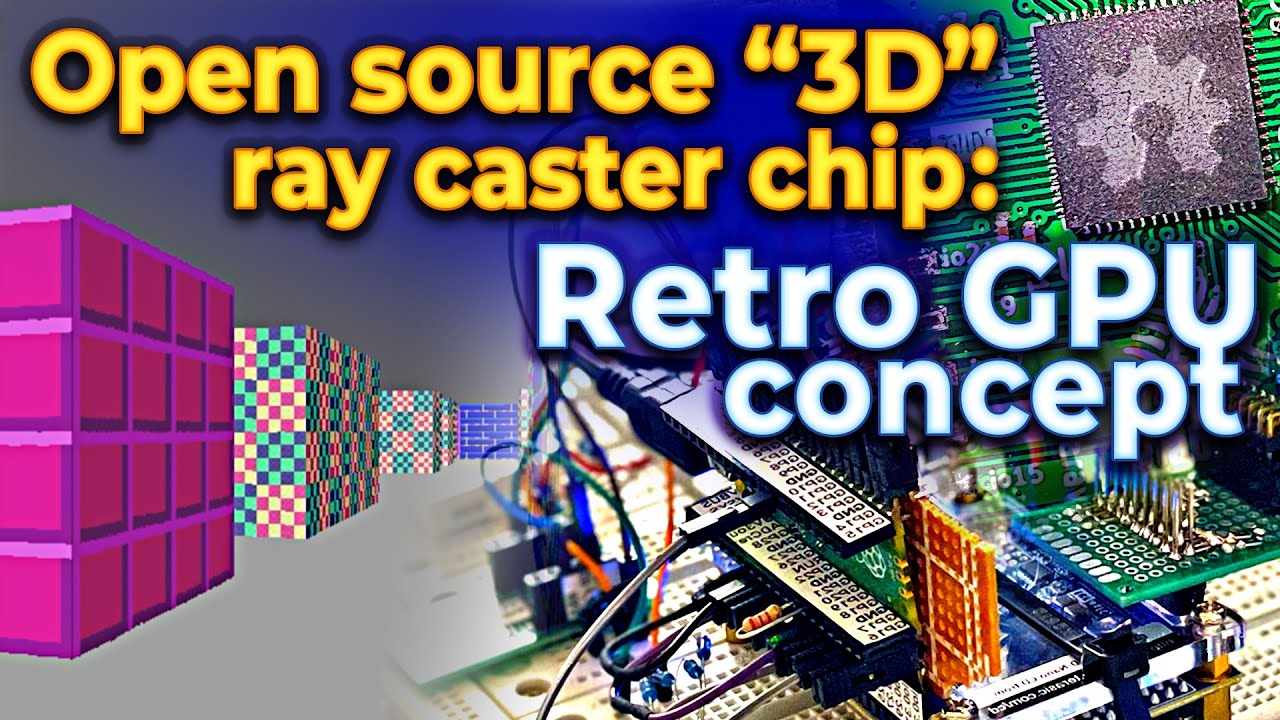 Short presentation: my simple ASIC concept design of a 3D-like "ray caster" video game hardware accelerator chip, FPGA-tested, then synthesised/submitted to TT04 (Tiny Tapeout 04) for VLSI/ASIC manufacture. Created with OpenLane and the sky130 process (Google/Skywater 130nm Open PDK). Показать полностью
2 Показать 1 комментарий |
|
Marlagram
19 января 2024
The World's First Microprocessor: F-14 Central Air Data Computer на канале Alexander the ok
 The history of the first microprocessor is murky and ill-defined. For years, the Intel 4004 was generally accepted to hold the title. However, in 1998, the historical record was rewritten as the existence of an earlier system was revealed to the world. Немножко водянистое и избыточно восторженное видео, но про очень интересный объект.In this video, we'll learn about the MP944, and why many now consider it the first microprocessor. Regardless of whether it was or not, it was extremely complex for its day. #youtube #авиационное #бцвм #видео #ретрокомпьютеры 3 Показать 2 комментария |
|
Marlagram
6 декабря 2023
Немножко о производстве
А Вы знали? Как подготавливали радиодетали и платы к монтажу в СССР. на канале Восемьдесят второй на связи 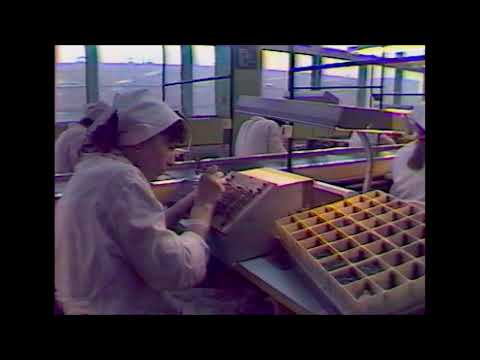 Довольно грустное зрелище для специалиста, кстати говоря. Особенно - "автоматы" подготовки элементной базы. А такая сборка плат имеет экономический смысл (причём ещё с начала 80-х) лишь при относительно малых тиражах, порядка тысяч в месяц в масштабах мира - т. е. всякое совсем мелкосерийное и уникальное. Но в СССР со своими поточными линиями установки и распайки было сложно, плюс вопрос кадров... И масштабов... Вон, то же производство холодильников или печатных плат для наших модульных цветных телевизоров надо было укрупнять на порядок (и это было очевидно экономистам ещё при позднем Брежневе) - но это означало смерть многих (относительно) малых местных предприятий. #youtube #видео #ретрокомпьютеры 2 Показать 1 комментарий |
|
Marlagram
3 декабря 2023
К вопросу о портировании ELITE на БКшку.
Ролик 22 февраля 2023 г. на канале Morranex Tofsla 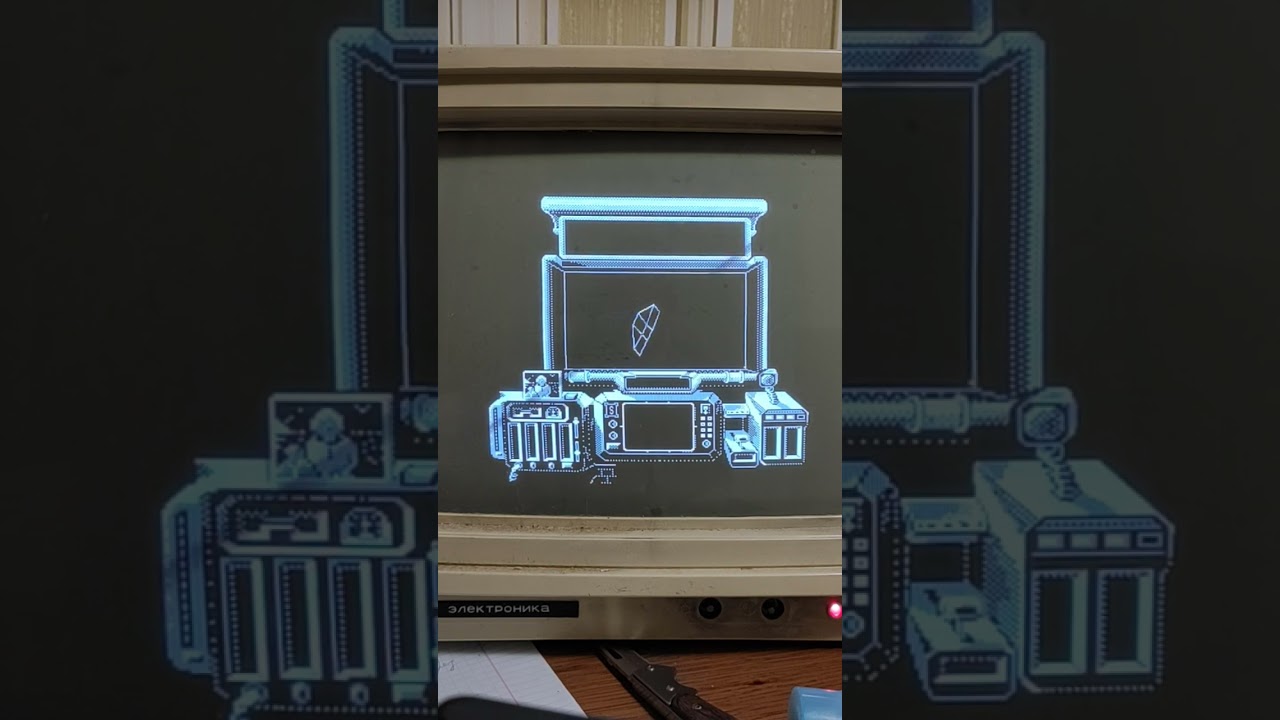 Чисто для истории. Распаковал свою БК и решил выложить недоделанную (к сожалению) версию Элиты для БК. Работал в школе на Чукотке и писали с ребятами на ассемблере. На КУВТ после заставки игра загружалась, а в Андос что-то не хочет, приходится вручную запускать. Проблема была в том, что после 10 класса ребята уехали поступать на материк, а следующие уже захотели делать XCOM. Версия отладочная, надо вспоминать, где лежит скорость корабля, он летал как положено, а тут просто на месте стоит. Ну и выстрелы и взрыв не подключены. Расчёты все реальные, рисуется в буфер на 5000 байт, массив вершин корабля множится на матрицы преобразования, отсечения линий вычисляются, видимость граней. Но доделать уже маловероятно, лет 25 уже прошло. Это на БК-0010. Антисклерозное, а то ищется плохо.Вот интересно - писалось ведь похоже без опоры на выложенные исходники? #youtube #видео #ретрокомпьютеры 2 |
 Включить тёмную тему
 Популярное


 VKontakte
 WhatsApp
 Telegram